Finding Peace in a Hectic World
Introduction:

In today’s fast-paced world, stress has become an almost constant companion for many of us. The demands of work, family, and everyday life can often leave us feeling overwhelmed and anxious. However, there is a powerful tool that can help us combat the effects of stress and find inner peace – mindfulness.
Mindfulness is a practice that has gained significant popularity in recent years, and for good reason. It offers a way to become more aware of our thoughts, feelings, and surroundings, and in doing so, it provides a pathway to reduce stress and improve overall well-being. In this article, we’ll explore the benefits of mindfulness, how to practice it, why meditation is an effective stress reducer, and how to incorporate mindfulness into your daily life.
Benefits of Mindfulness:
Mindfulness, often referred to as mindfulness meditation, is a practice with numerous mental and emotional health benefits. Some of these benefits include:
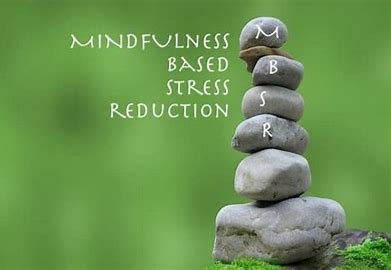
– **Stress and Anxiety Reduction:** Mindfulness can significantly reduce stress and anxiety levels. By focusing on the present moment, individuals can break free from the burdens of the past and worries about the future.
– **Improved Concentration and Mental Clarity:** Regular mindfulness practice enhances focus and mental clarity. This heightened awareness allows individuals to tackle tasks more efficiently and make better decisions.
– **Enhanced Emotional Resilience:** Mindfulness helps individuals develop emotional resilience, enabling them to better cope with life’s challenges and bounce back from adversity.
– **Increased Self-Compassion:** Practicing mindfulness often leads to an increased sense of self-compassion. It encourages individuals to treat themselves with kindness, acknowledging their own humanity and imperfections.
– **Alleviation of Depression Symptoms:** Mindfulness has been shown to reduce symptoms of depression, offering a valuable tool for those struggling with this condition.
**How to Practice Mindfulness:**
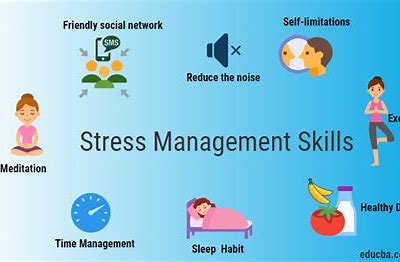
Mindfulness can be practiced in several ways, with one of the most common methods being mindfulness meditation. Here’s a simple guide to get you started with your mindfulness meditation practice:
1. **Find a Quiet Place:** Choose a quiet, comfortable location where you won’t be disturbed. You can sit cross-legged on the floor or use a chair if you prefer.
2. **Focus on Your Breath:** Close your eyes and begin to focus on your breath. Take slow, deep breaths, and pay close attention to the sensation of the air entering and leaving your lungs.
3. **Acknowledge Distractions:** Your mind may wander as you meditate. This is normal. When you notice your thoughts drifting, gently bring your focus back to your breath.
4. **Start with Short Sessions:** If you’re new to mindfulness meditation, start with short sessions of 5-10 minutes and gradually increase the duration as you become more comfortable with the practice.
5. **Consistency is Key:** For mindfulness to be effective, it’s essential to practice regularly. Aim for daily sessions to experience the full benefits.
**Why Meditation Reduces Stress:**
Meditation, particularly mindfulness meditation, is known to reduce stress through several mechanisms. When we meditate, we activate the body’s relaxation response, which counteracts the stress response. Here’s how meditation works to reduce stress:
– **Cortisol Regulation:** Meditation helps regulate the stress hormone cortisol. It decreases cortisol production, preventing it from running rampant in the body.
– **Improved Emotional Regulation:** Mindfulness meditation enhances emotional regulation, allowing individuals to manage their emotions more effectively and reduce emotional reactions to stressors.
– **Reduced Muscle Tension:** Meditation relaxes muscle tension, which often accumulates during stressful periods. This physical relaxation contributes to an overall sense of calm.
**Incorporating Mindfulness into Your Daily Life:**
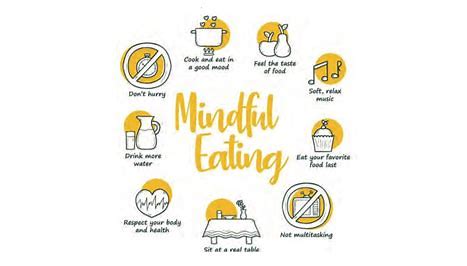
To experience the full benefits of mindfulness, it’s essential to integrate it into your daily routine. Here are some strategies to help you incorporate mindfulness into your daily life:
– **Mindful Breathing:** Practice mindful breathing throughout the day, whether you’re at work, at home, or even in transit. Take a few moments to focus on your breath, bringing your attention back to the present moment.
– **Mindful Eating:** Pay close attention to your meals. Savor each bite and enjoy the flavors and textures. Avoid distractions like smartphones or television during meals.
– **Mindful Walking:** When walking, whether it’s a short stroll or a daily commute, be mindful of your steps and the sensations in your body. This simple practice can transform routine activities into opportunities for mindfulness.
– **Mindful Moments:** Integrate short moments of mindfulness into your daily routine. For example, take a few minutes to appreciate the beauty of nature, listen mindfully to music, or pause and focus on your breath during a hectic workday.
– **Mindfulness Apps and Resources:** Consider using mindfulness apps and resources to guide your practice. There are various apps available that offer guided meditations and tools to help you stay on track.
**Conclusion:**
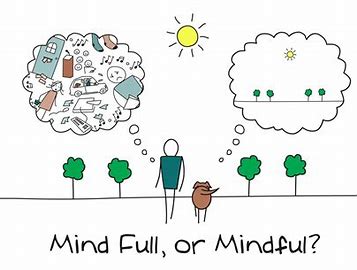
Mindfulness is a powerful tool for reducing stress and enhancing overall well-being. Its numerous benefits, when practiced regularly, can lead to a more peaceful and centered life. Whether you choose to start with mindfulness meditation or incorporate mindfulness into your daily activities, the key is consistency. With time and practice, you’ll discover how mindfulness can help you find peace in a hectic world.


